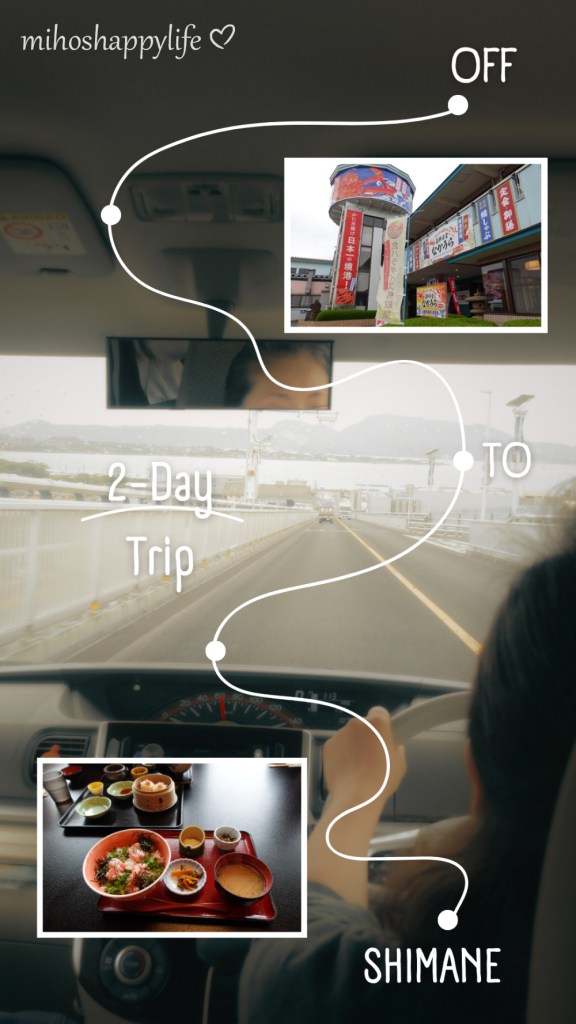
During my trip to Tottori in May 2025, I knew I could not miss the opportunity to explore neighboring Shimane Prefecture. Since it is only a few hours away by car, we decided to spend two days discovering some of the region’s most famous sights. It turned out to be the perfect addition to our Tottori itinerary and one of those side trips that I would recommend to anyone visiting the San’in region.
Shimane may not be one of Japan’s most talked-about destinations, but that is exactly what makes it so special. It has a quiet charm that is hard to describe until you experience it yourself. The prefecture is home to some of Japan’s oldest history, beautiful Japanese gardens, peaceful landscapes and a much slower pace of life than the country’s larger cities.
From Tottori, the drive takes around 2 to 3 hours. With just two days available, we focused on four places that had been on my and my mother’s checklist: Izumo Taisha (Izumo Shrine), the breathtaking Adachi Museum of Art, the beautiful Yuushien Garden and the Lafcadio Hearn Memorial Museum in Matsue. Together, they offered such a great mix of history, art, nature, and local culture, making this one of my favorite parts of our trip through western Japan.
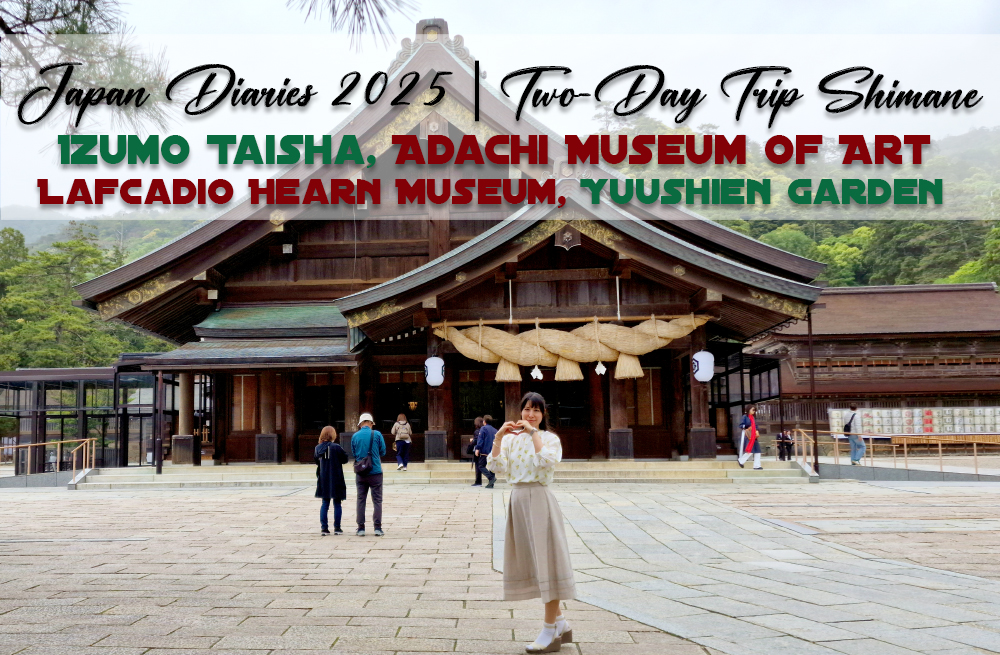
Izumo Taisha: Japan’s Most Powerful Shrine of Relationships and Love
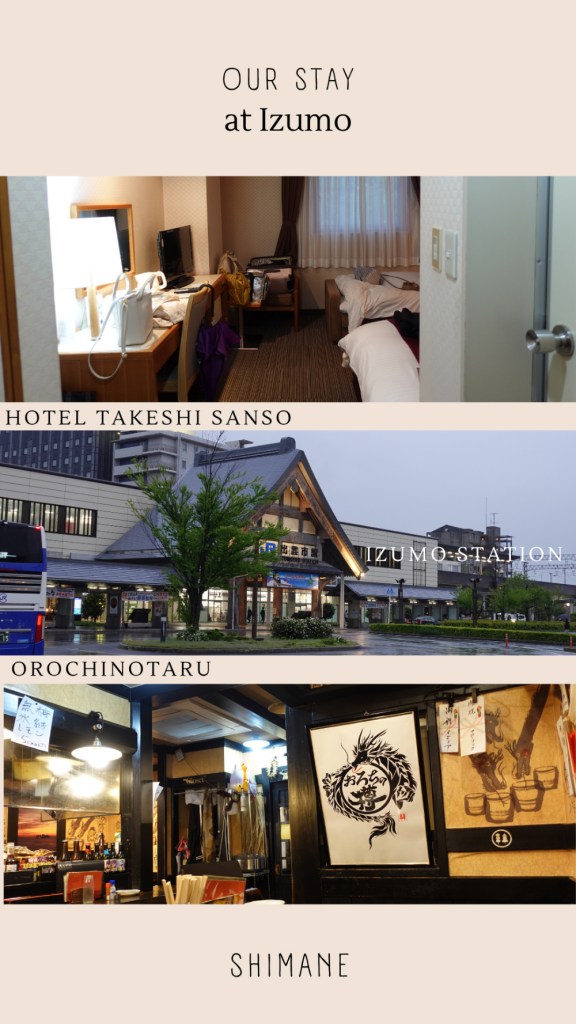
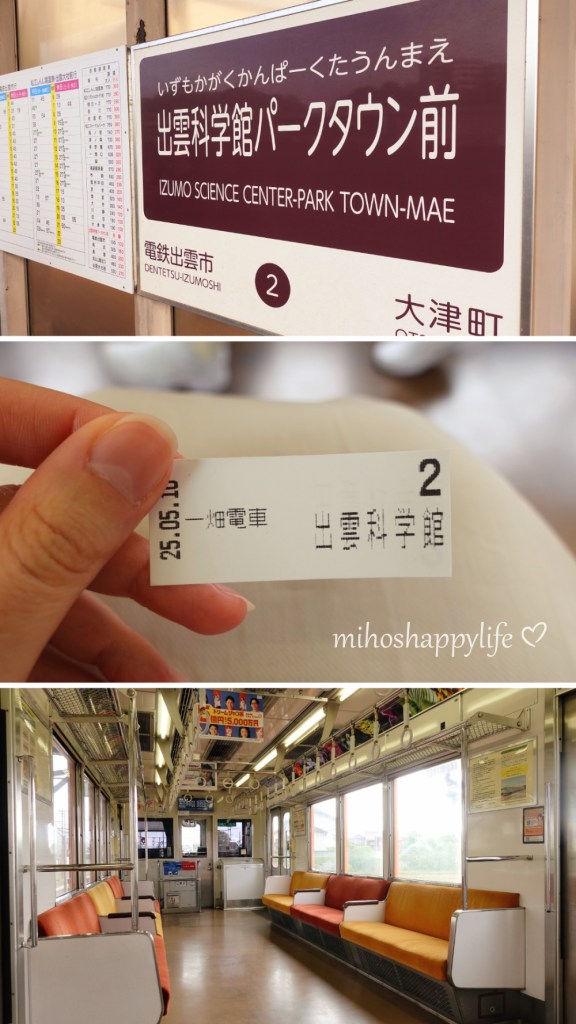
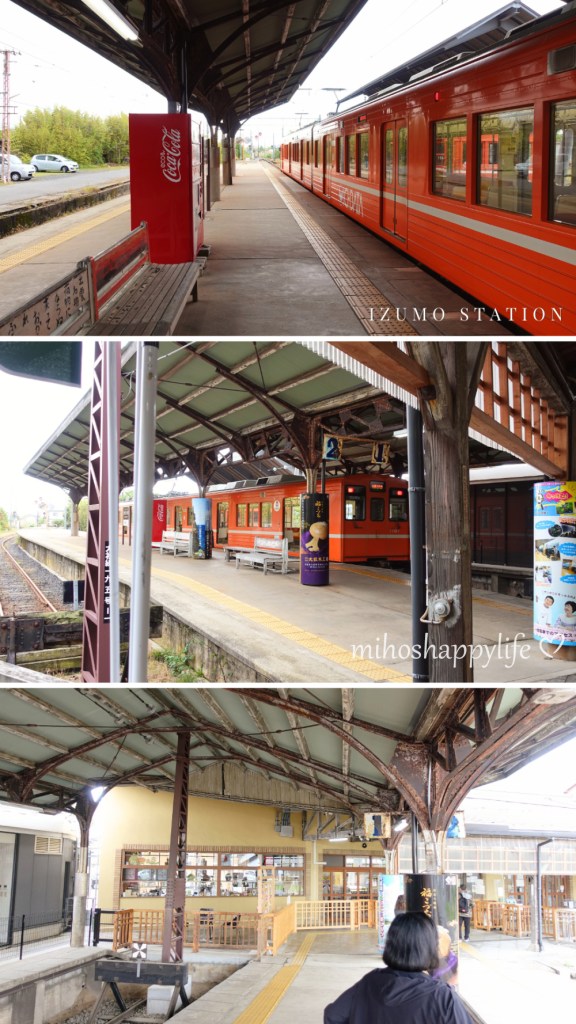
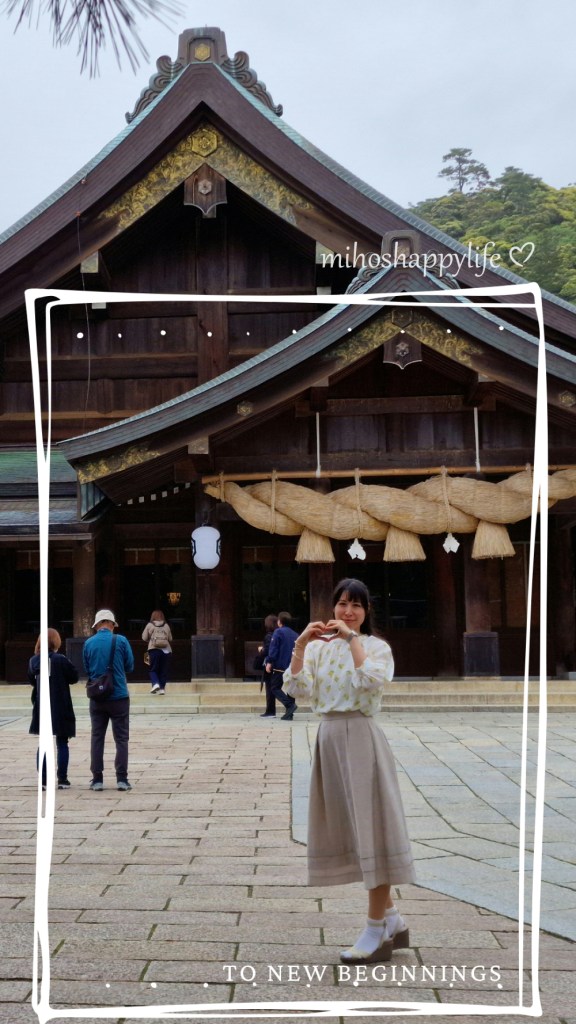
From our hotel, it was only a few train stops to Izumo Taisha, so we headed there in the morning. I always love visiting shrines early, when everything feels quiet and peaceful.
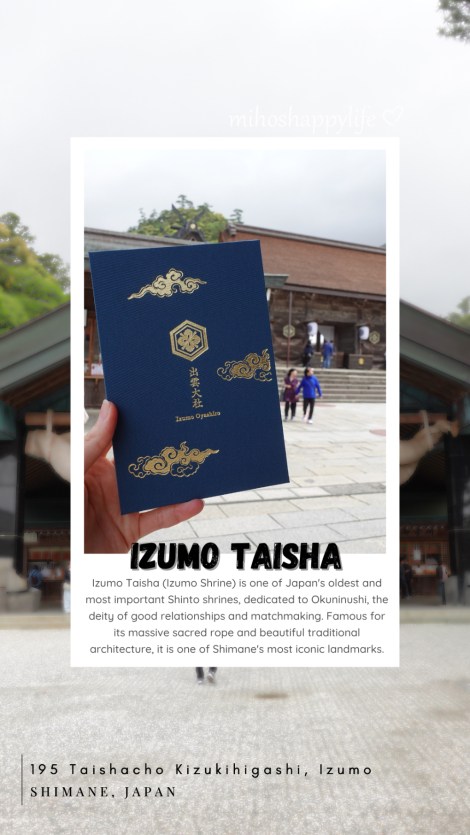
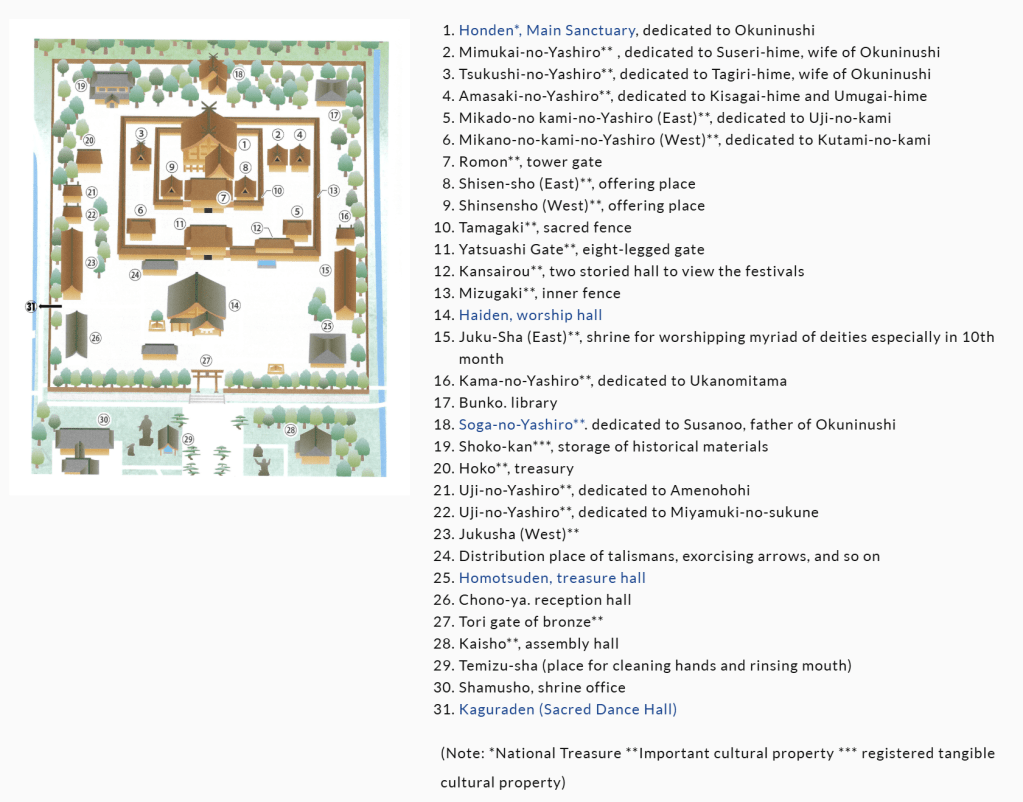
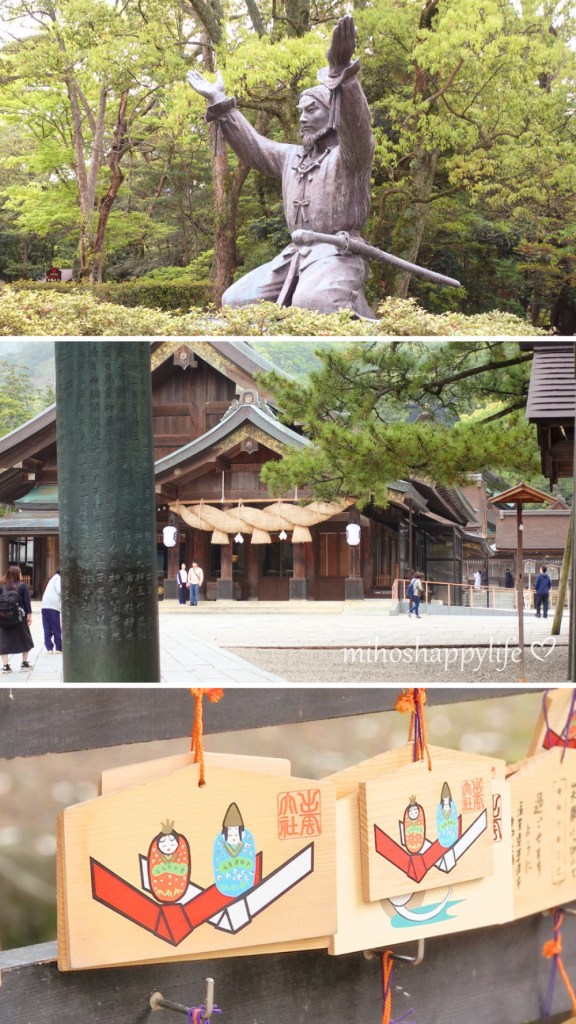
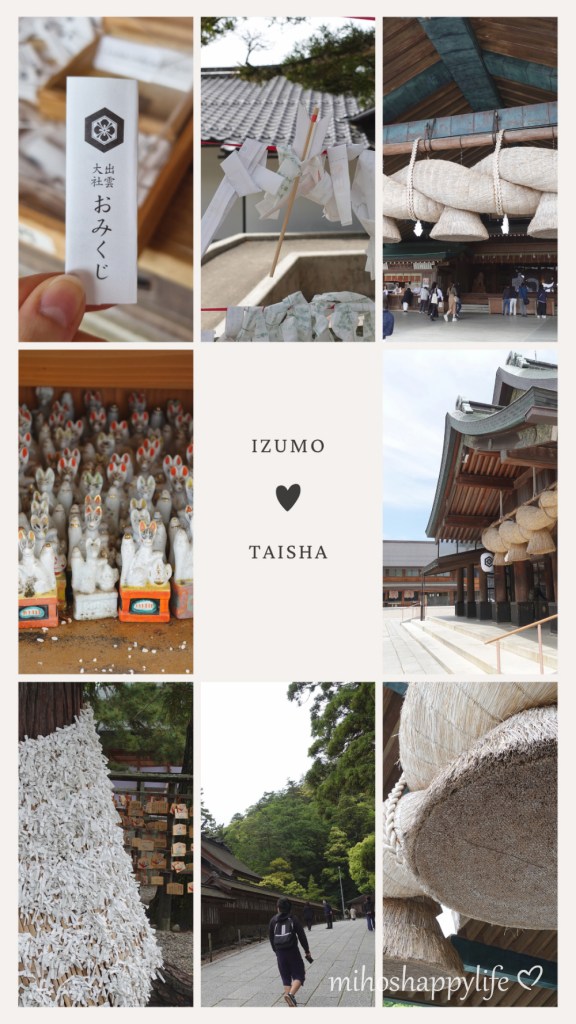
Izumo Taisha is one of Japan’s oldest and most important Shinto shrines. It is dedicated to Ōkuninushi, the god of love, relationships and good connections. According to Japanese belief, all the gods gather here once a year to decide people’s relationships and destinies. If you are looking for love – or simply hoping to strengthen the connections in your life – this is considered one of Japan’s most powerful spiritual spots.
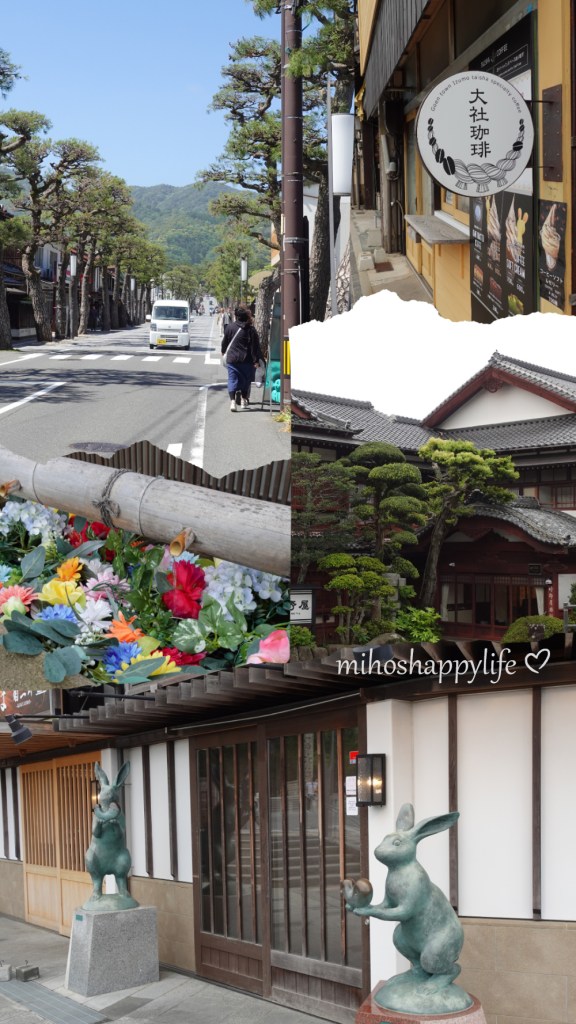
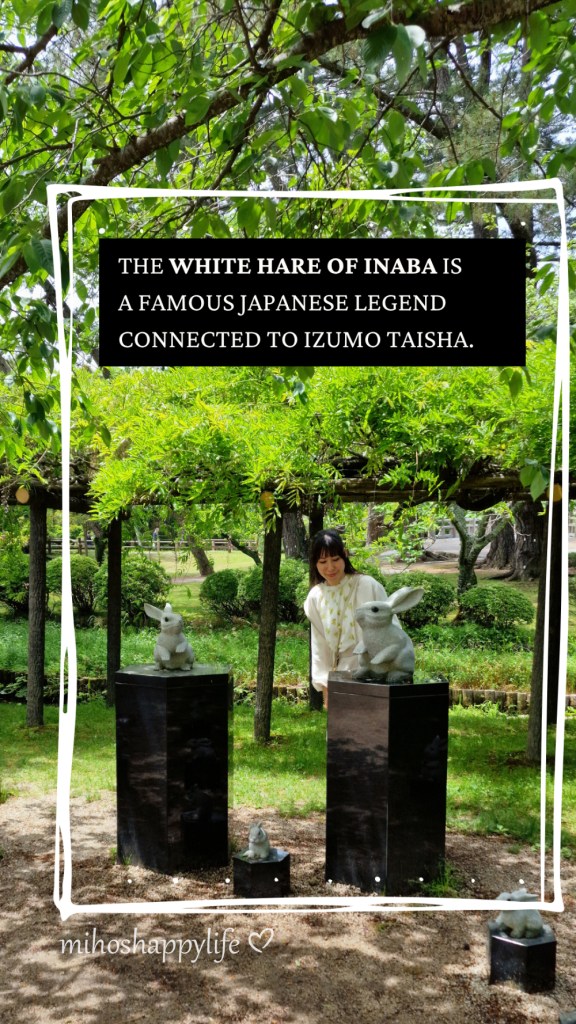
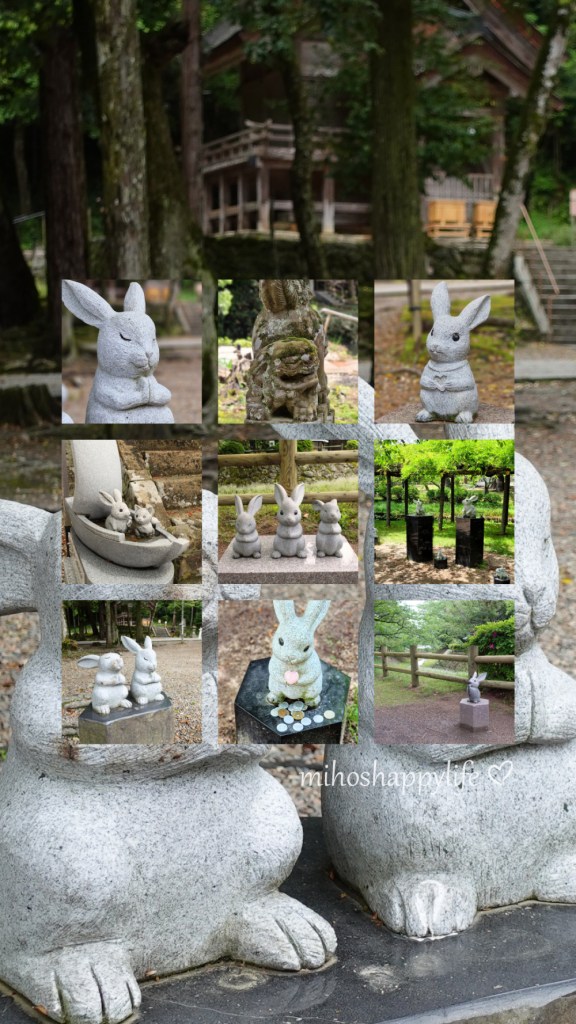
There is also the famous story of the White Hare of Inaba. Ōkuninushi helped the injured hare with kindness, and in return, the hare predicted that he would find true love. Today, the story symbolizes kindness, healing and good relationships.
This was actually my second time visiting Izumo Taisha. The past few months have been full of ups and downs, but standing here again gave me such a deep sense of peace. Maybe it is just me, but Japanese shrines always have something special. I can’t really explain it – they simply give me strength.
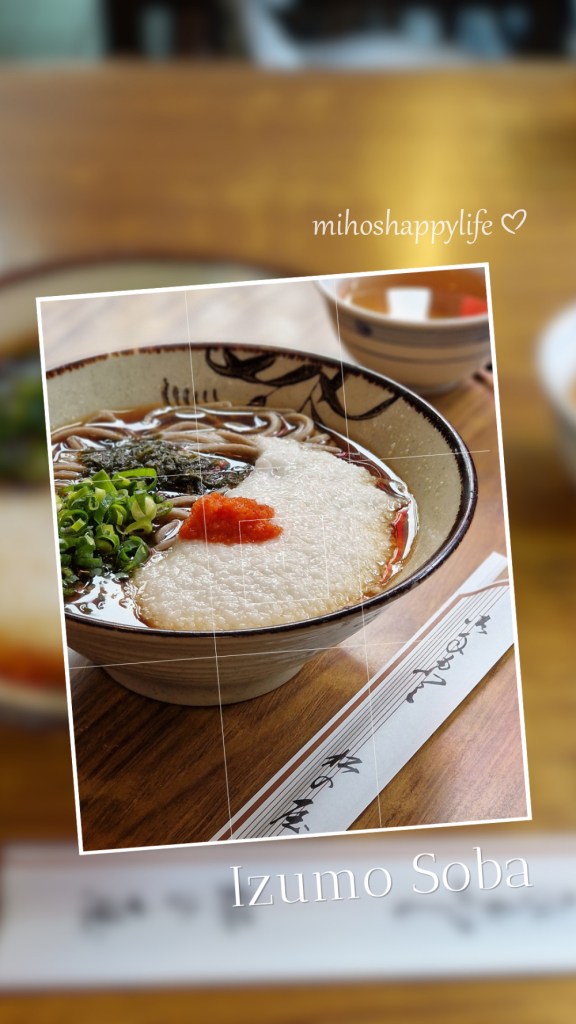
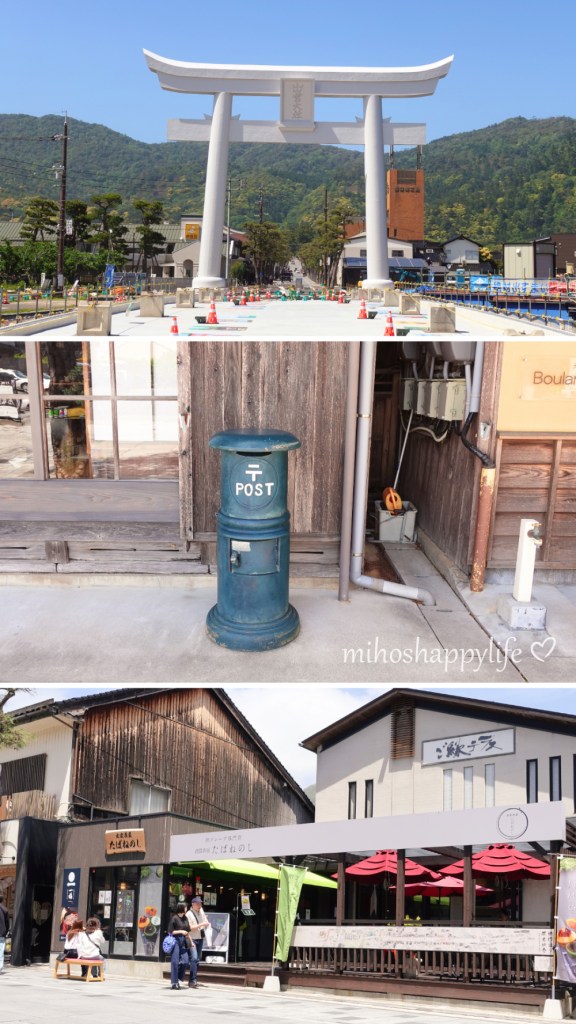
After visiting the shrine, we walked back along the main street, where you will find lots of souvenir shops, cafés, local sweets, snacks and little stores. For lunch, we had Izumo Soba (at the restaurant Matsunoya), the region’s famous buckwheat noodles. They are darker and more flavorful than regular soba.
☆ Izumo Shrine
195 Taishacho Kizukihigashi, Izumo, Shimane 699-0701, Japan
Tel. +81 853-53-3100
izumooyashiro.or.jp
Opening Hours
Daily 06:30 – 19:00
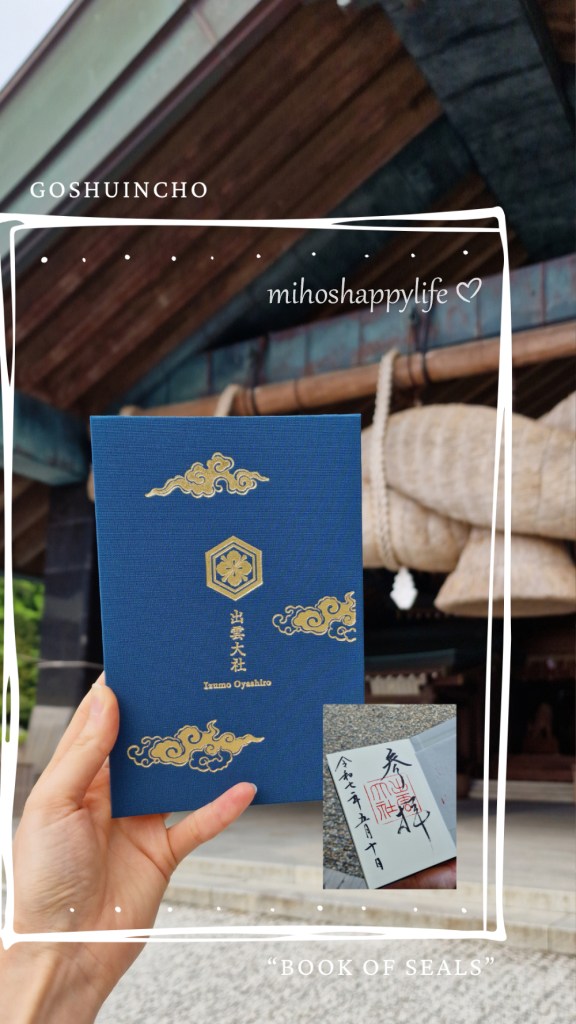
Goshuincho – the Book of red Seals
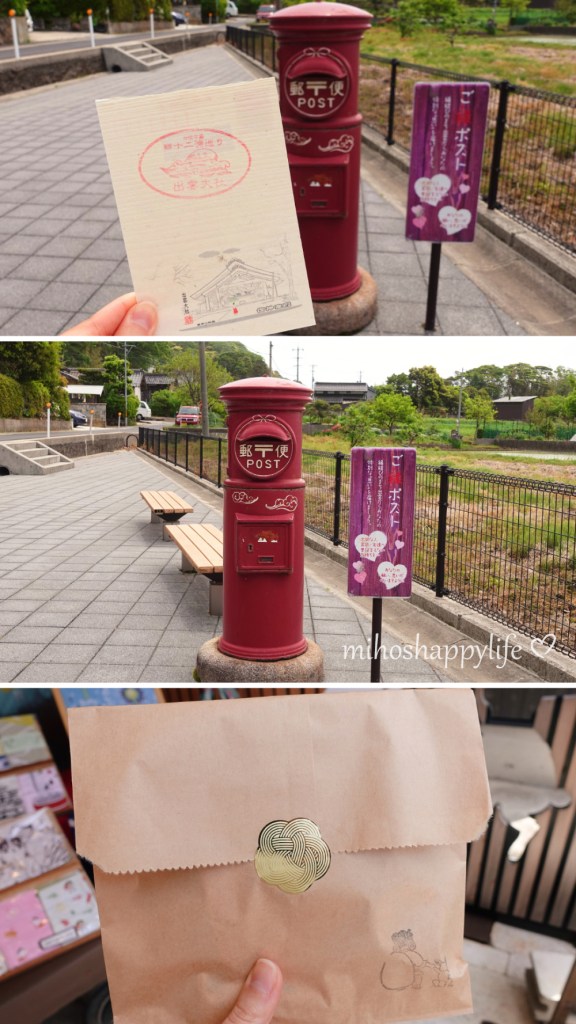
This time, I finally bought my own Goshuincho, a special stamp book for collecting goshuin from shrines and temples. A goshuin isn’t just a stamp – it is beautiful handwritten calligraphy with the shrine’s official seal, making every page unique. Before asking for a goshuin, it is polite to visit the shrine, pray and leave a small offering first. Afterwards, take your Goshuincho to the goshuin counter, where a priest or shrine official will handwrite the calligraphy and add the official seal. Most shrines charge a small fee of around ¥300 – ¥500 for a goshuin, which is paid at the counter. It is a good idea to check the posted amount or the shrine’s official website beforehand and make sure you have cash with you. I always carry a ¥500 coin. It is considered good etiquette to treat your Goshuincho with respect, as it is a spiritual record of the places you have visited, not just a souvenir.
Shinto vs. Buddhism
People often ask about the difference between Shinto shrines and Buddhist temples in Japan.
- Shinto is Japan’s native religion and is connected to nature, spirits called kami, purification and everyday blessings. The easiest way to recognize a Shinto place is often the torii gate at the entrance, which marks the transition from the ordinary world into a sacred space. People visit Shinto shrines to pray for things like love, health, success, safe travels and good fortune.
- Buddhism came to Japan from other parts of Asia and focuses more on life, death, enlightenment and compassion. Buddhist places are usually recognized by Buddha statues, temple halls, incense and sometimes pagodas. Many Buddhist temples are also connected to ancestor remembrance and funeral traditions.
What I find beautiful about Japan is that many people don’t separate the two religions strictly. It is very common to visit a Shinto shrine for celebrations and blessings, while also visiting Buddhist temples for other important moments in life.
Shrine (Shinto) & Temple (Buddhism) Etiquette
How to visit a Shrine
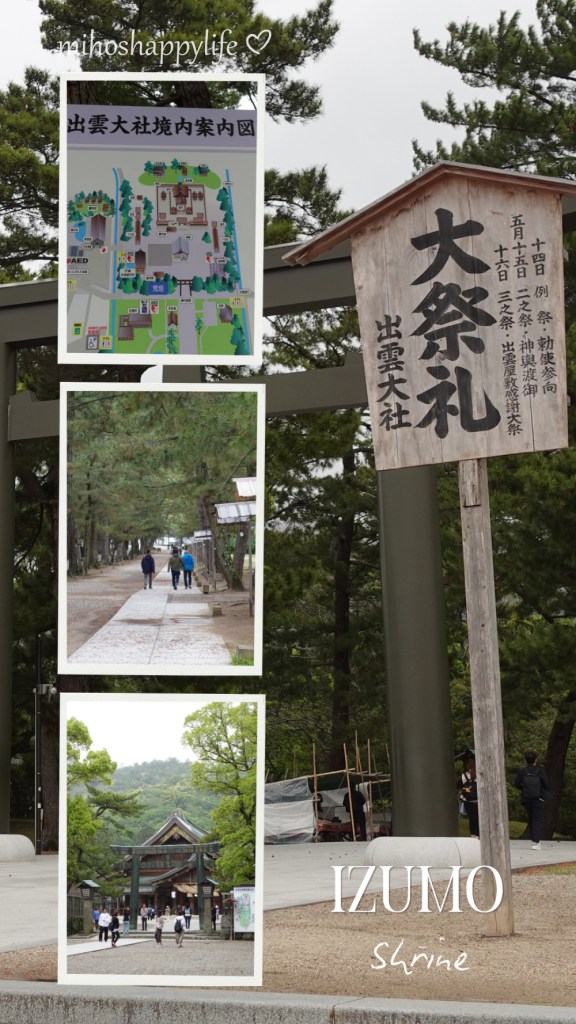
Before entering through the torii gate, give a small bow and remember to walk on the side of the path. The center is traditionally considered the path of the gods, not for visitors.
Before approaching the main shrine, stop at the chozuya (purification fountain). Use the ladle to rinse your left hand, then your right hand. Finally, pour some water into your left hand and rinse your mouth (never directly from the ladle). Let the remaining water run down the handle to clean it before putting it back. (I usually skip this part, if I am honest).
Prayer Ritual
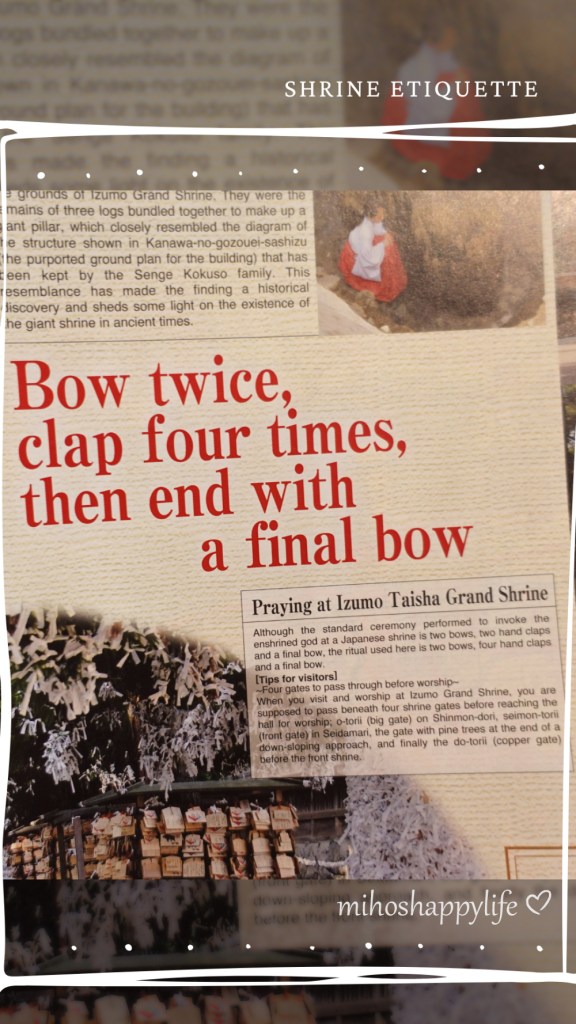
One special thing about Izumo Taisha is that the prayer ritual is slightly different from most Shinto shrines in Japan. While the usual way is: two bows, two claps and one bow, at Izumo Taisha you follow: two bows, four claps and one final bow. This unique tradition has been preserved because Izumo Taisha is one of Japan’s oldest and most important Shinto shrines. The extra claps are part of its own ancient ritual style and show respect and gratitude to the kami worshipped here.
Offering
Most people leave a small coin as an offering. A Japanese 5-yen coin is a lucky offering at shrines because its name sounds like a word for good luck, fate and connections. The hole in the middle means having a clear path or a bright future.
My aunt shared some good advice with me. She told me to offer 1 yen + 1 yen + 5 yen. Together it sounds like ii go-en (いい五円), which means “a good connection (いいご縁)”. I love the meaning behind it, so ever since I learned about it, I always offer 1 yen + 1 yen + 5 yen whenever I visit a shrine.
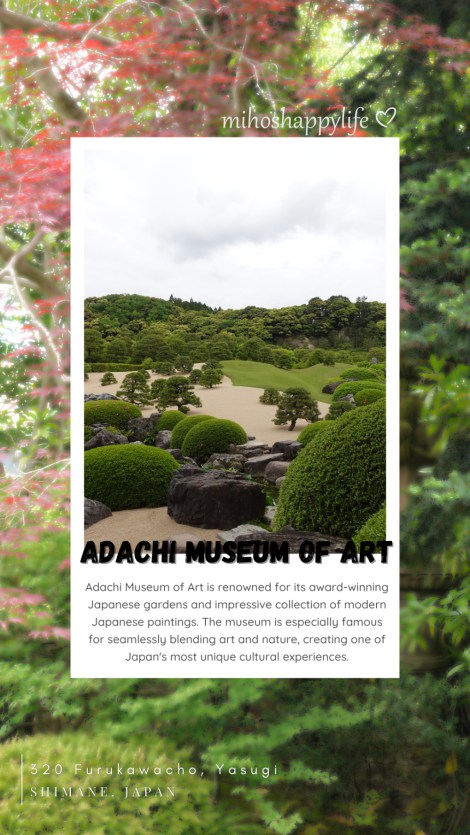
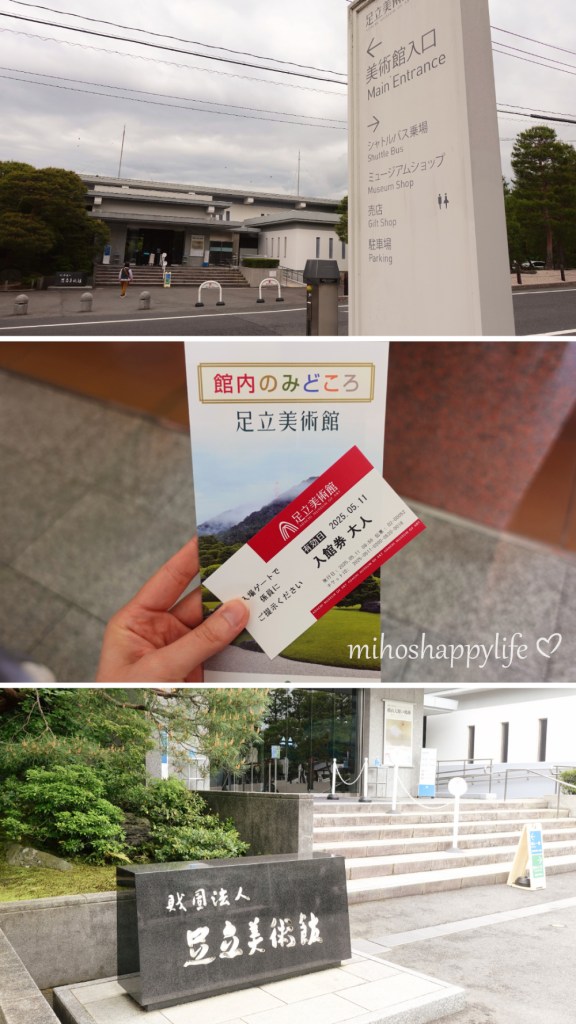
Adachi Museum of Art – “A garden is thought of as a living canvas”
Visiting the Adachi Museum of Art wasn’t originally on my must-see list. My mum really wanted to go, and to be honest, I wasn’t sure if it would be worth it. I decided to join her anyway and I am so glad I did because it turned out to be much better than I expected.
One thing that surprised me right away was how many tourists were there. Even though the museum is a little off the usual tourist route, it was much busier than I had imagined.
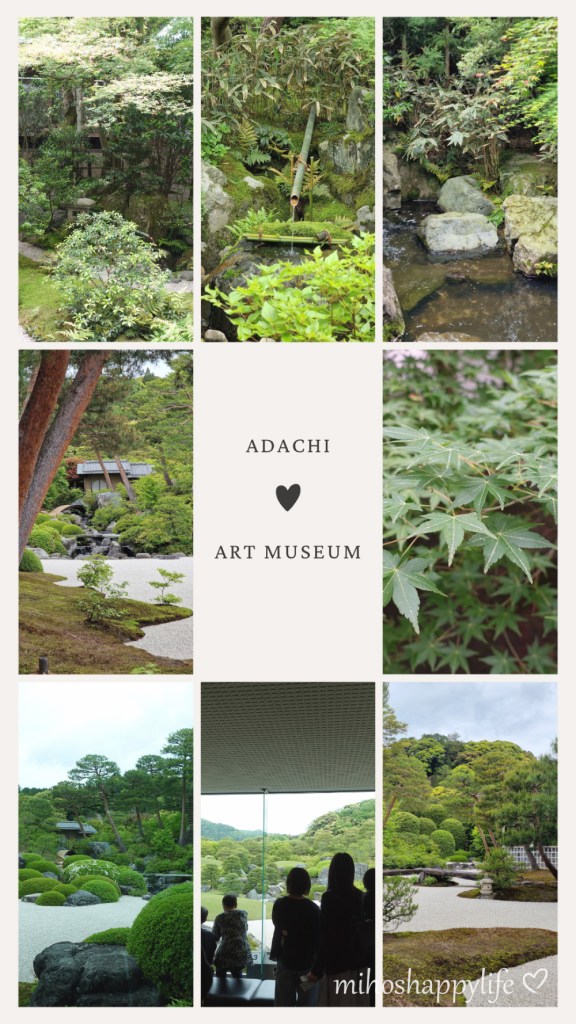
The museum was founded by Zenko Adachi, who believed that the beauty of Japanese art should be experienced alongside the beauty of nature. That is why the museum combines an impressive collection of modern Japanese paintings with carefully designed gardens that are maintained every single day of the year.
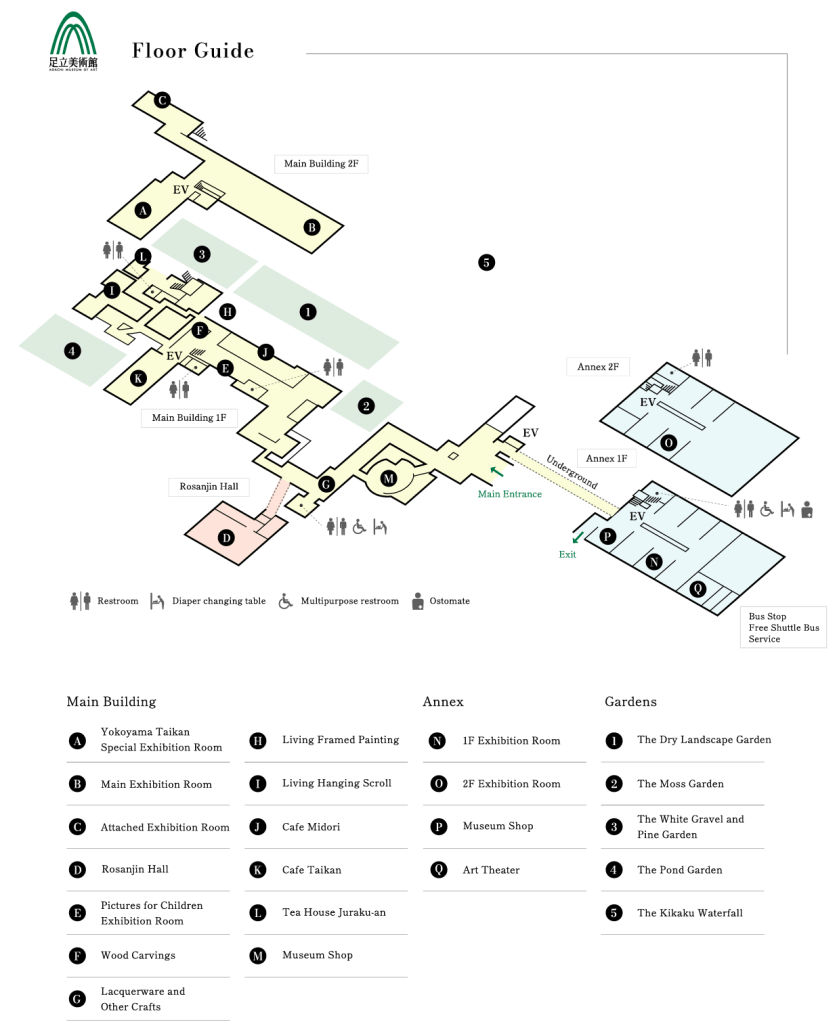
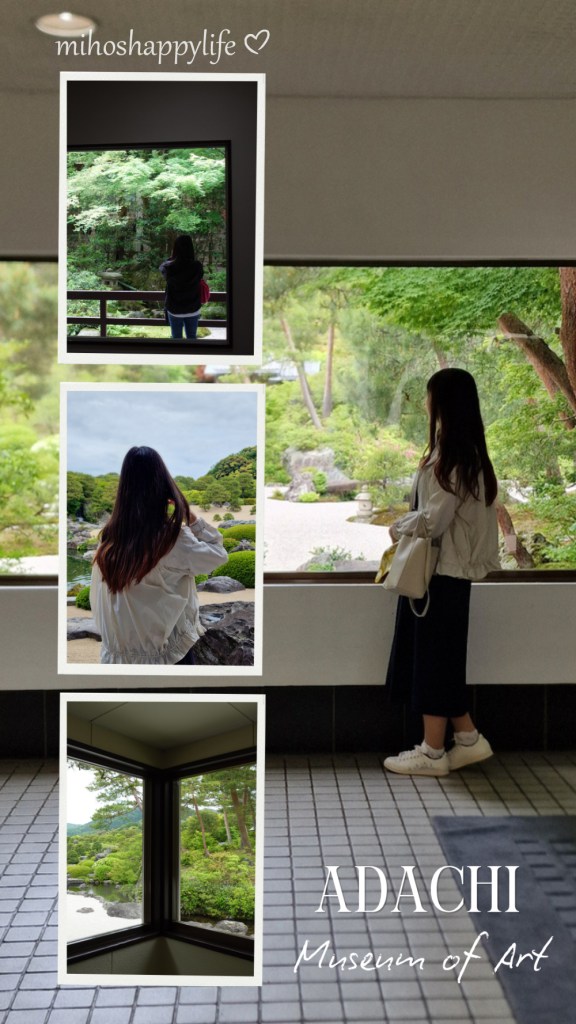
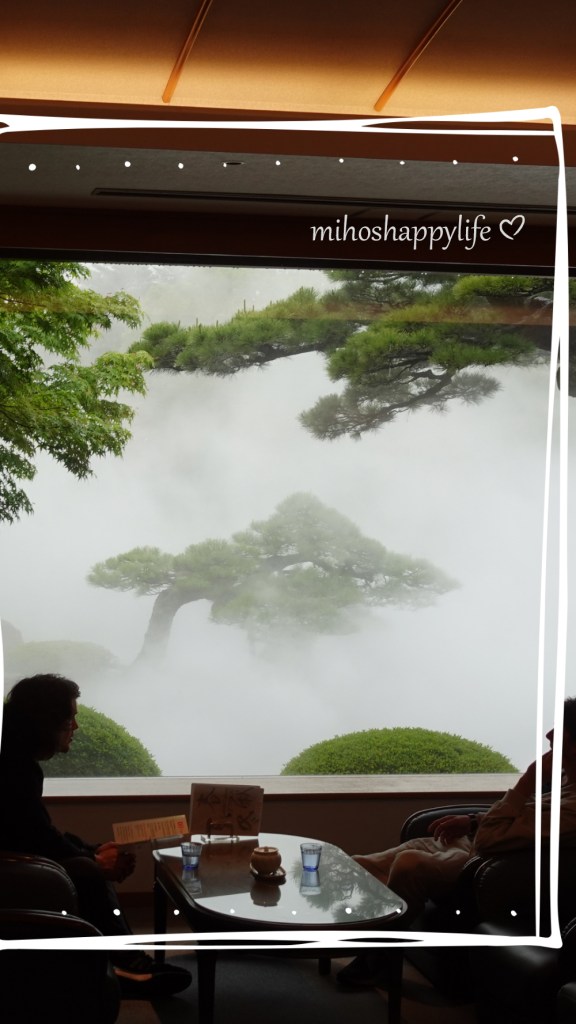
What makes the gardens so special is that you are not allowed to walk through them. Instead, you admire them from inside the museum through large windows, almost as if each view were a perfectly framed painting. Every tree, stone and patch of moss is placed with incredible attention to detail, making the scenery look flawless from every angle.
As we moved through the museum, each room revealed a different perspective of the gardens. It was peaceful, beautifully designed and unlike any museum I had visited before. I left the museum with a completely different impression than I had expected and now I understand why Adachi’s gardens are often described as “a living Japanese painting.”
☆ Adachi Museum of Art
320 Furukawacho, Yasugi, Shimane 692-0064, Japan
Tel. +81 854-28-7111
adachi-museum.or.jp
Opening Hours
April – Sept: 09:00 – 17:30
Oct – March: 09:00 – 17:00
Entry Fee
Adults: ¥2’500
University Students: ¥2’000
High School Students: ¥1’000
Elementary/Junior HS Students: ¥500
*Group discounts available for 20+ people
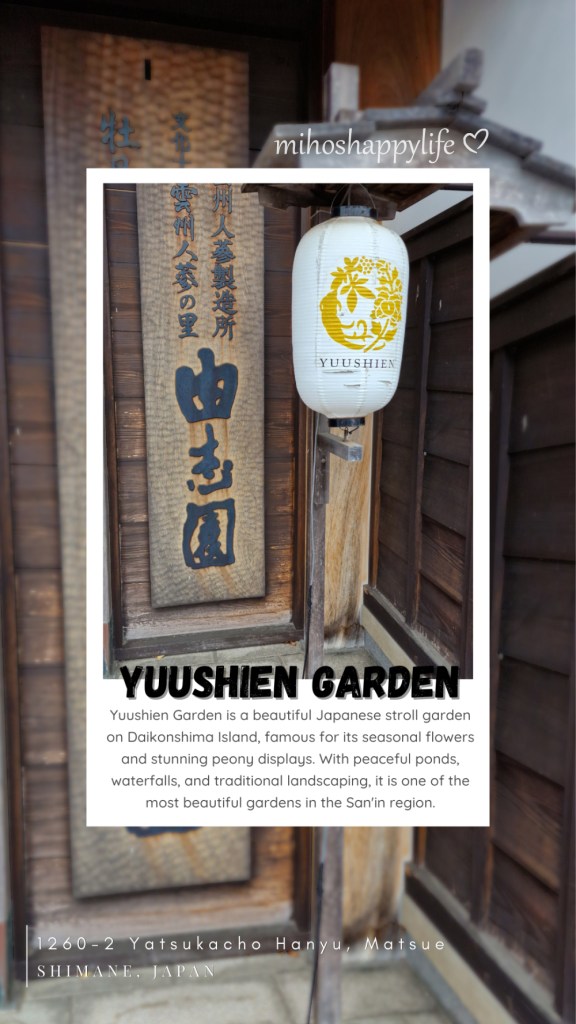
Yuushien Garden on Daikonshima – Japanese Peonies & Korean Ginseng Village
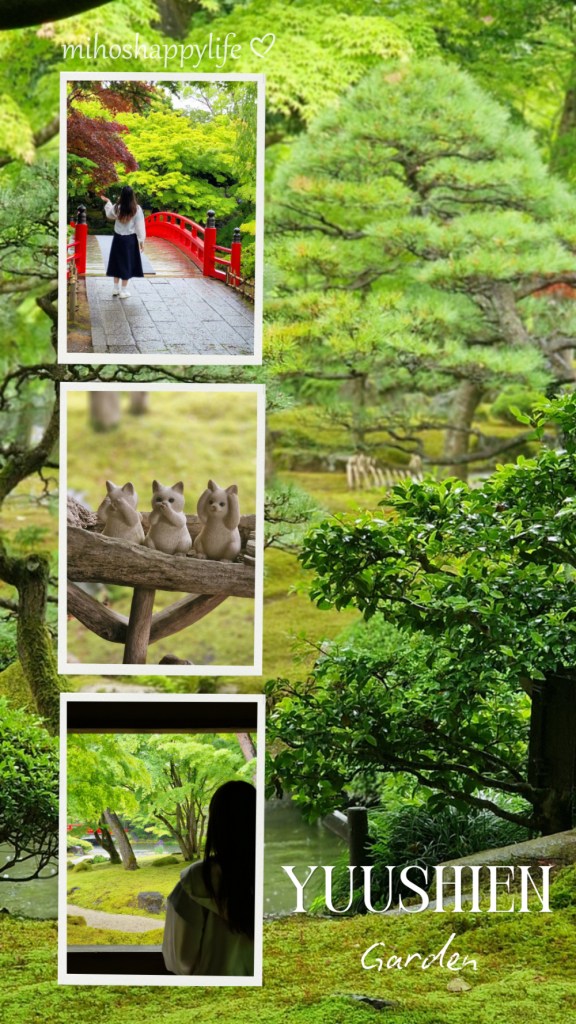
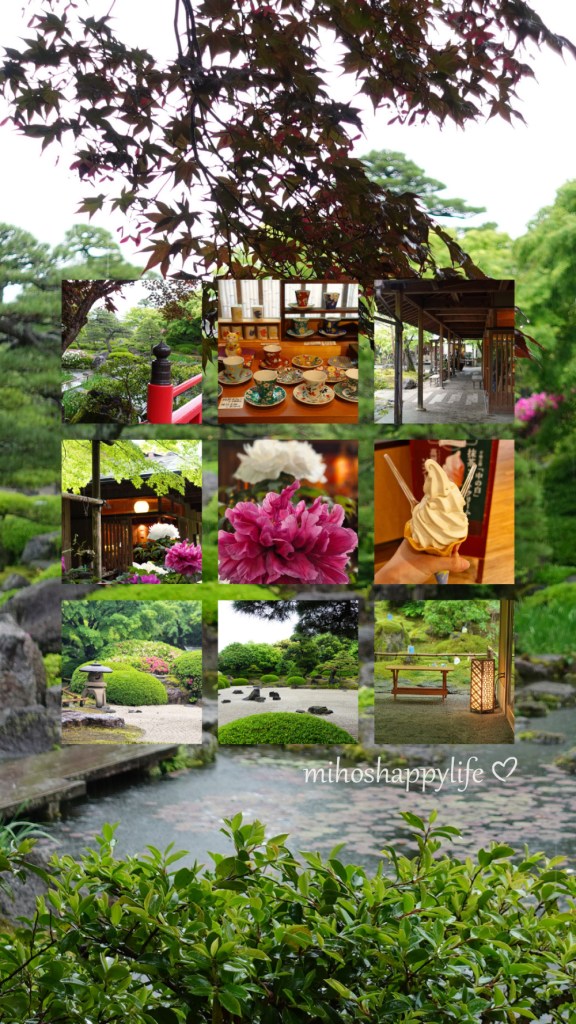
Even though the weather wasn’t on our side and it was raining, we still had a wonderful time at the Yuushien Garden on Daikonshima Island. The garden was incredibly beautiful and the rain actually added a peaceful atmosphere to the whole place.
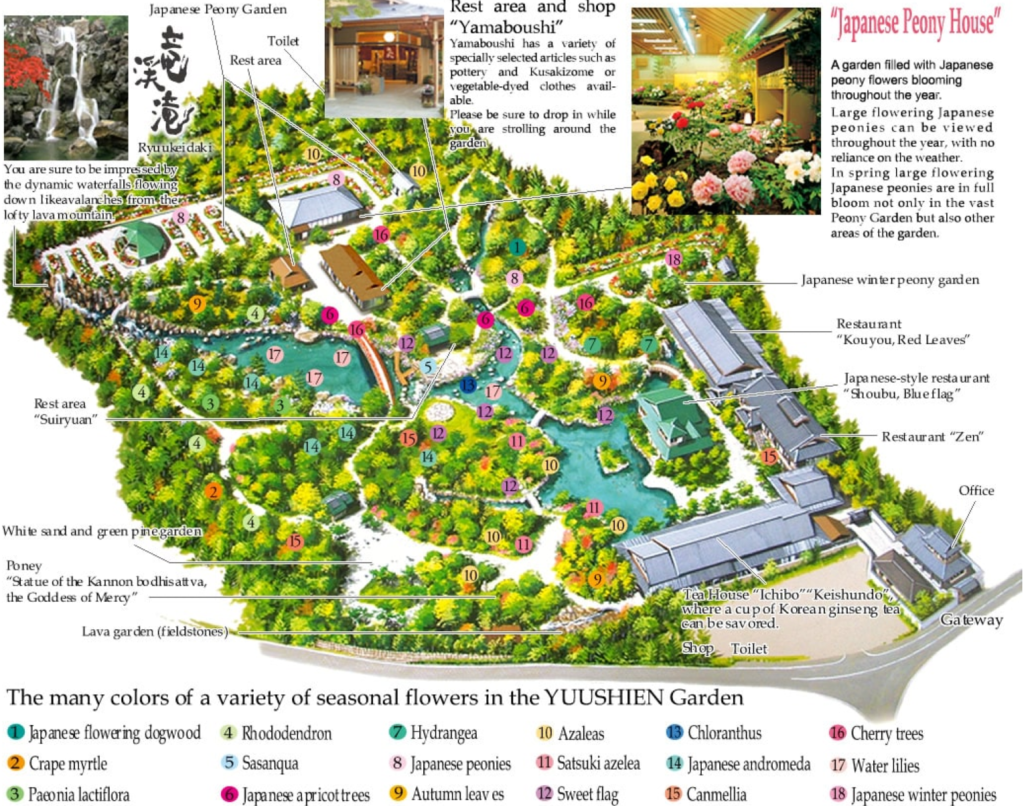
Yuushien is a traditional Japanese garden famous for its beautiful seasonal flowers, especially its peonies. Daikonshima is known as one of Japan’s largest production areas for peony seedlings and Yuushien celebrates this flower throughout the year. The garden is also connected to the island’s Korean ginseng heritage, which is why it is often described as a place of peonies and Korean ginseng.
One of the most famous sights at Yuushien is the spectacular display of peonies floating on the pond. During the peak peony season, usually during the Golden Week holiday (late April to early May), thousands of peonies are arranged on the water, creating a truly magical view. Unfortunately, we visited outside of this period, so we didn’t get to see this famous display.
☆ Yuushien Garden in Daikonshima
1260-2 Yatsukacho Hanyu, Matsue, Shimane 690-1404, Japan
Tel. +81 852-76-2255
yuushien.com
Opening Hours
Daily 09:30 – 17:00
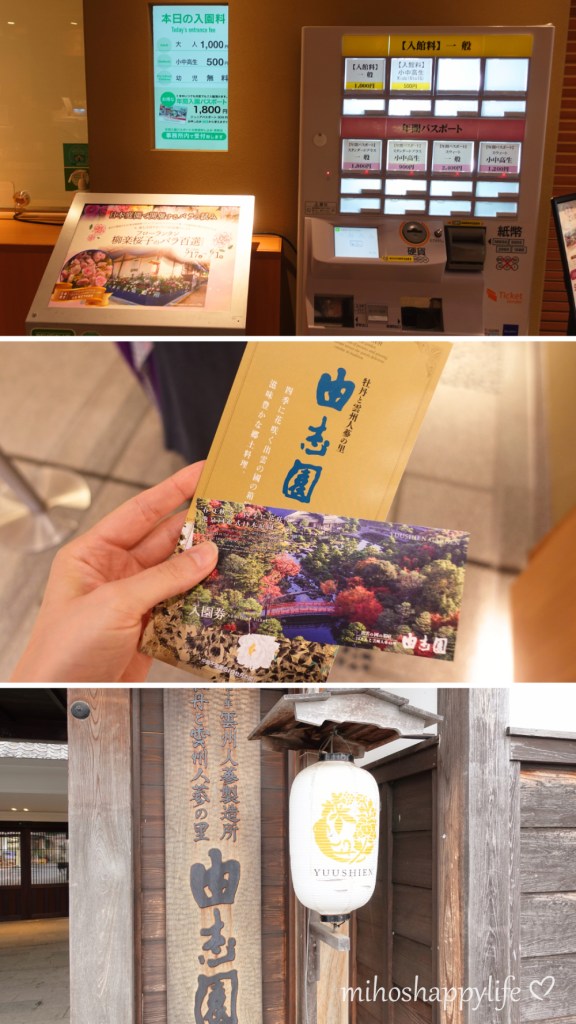
Entry Fee
Adults: ¥800 to ¥1’400
Students: ¥400 to ¥700
*Admission fee varies depending on the season
Lafcadio Hearn Memorial Museun in Matsue
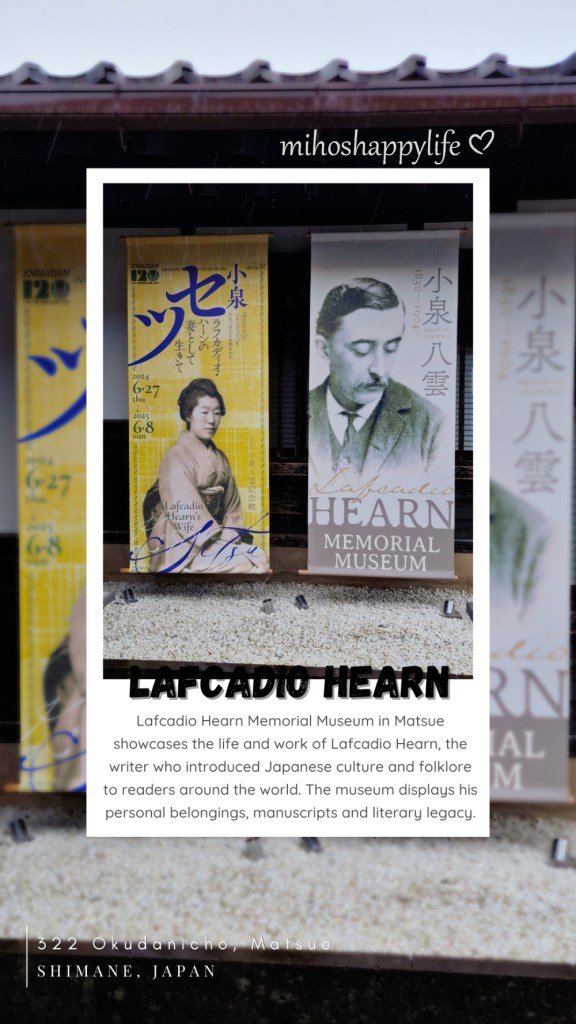
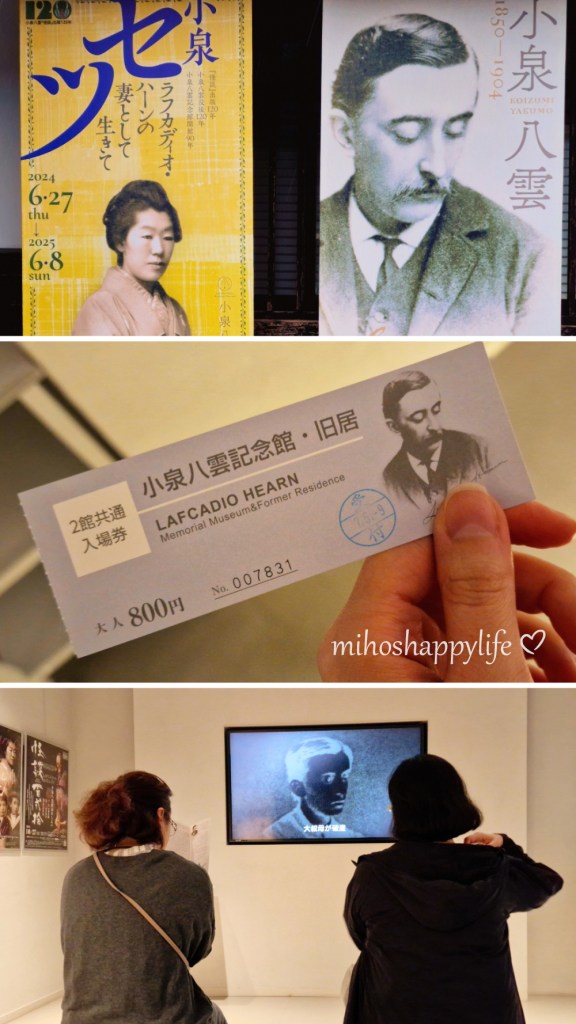
We made a stop in Matsue to visit the Lafcadio Hearn Memorial Museum. I will admit, this wasn’t on my bucket list either – it was another place my mum really wanted to visit because she was looking forward to the NHK Asadora series Bakebake, which was inspired by the life of Lafcadio Hearn and his wife.
If you have never heard of him before, Lafcadio Hearn was a writer of Greek-Irish origin who moved to Japan in 1890. Fascinated by Japanese culture, traditions and folklore, he eventually settled in Matsue, married a Japanese woman, became a Japanese citizen under the name Koizumi Yakumo and introduced Japanese ghost stories, legends and everyday life to readers around the world through his books.
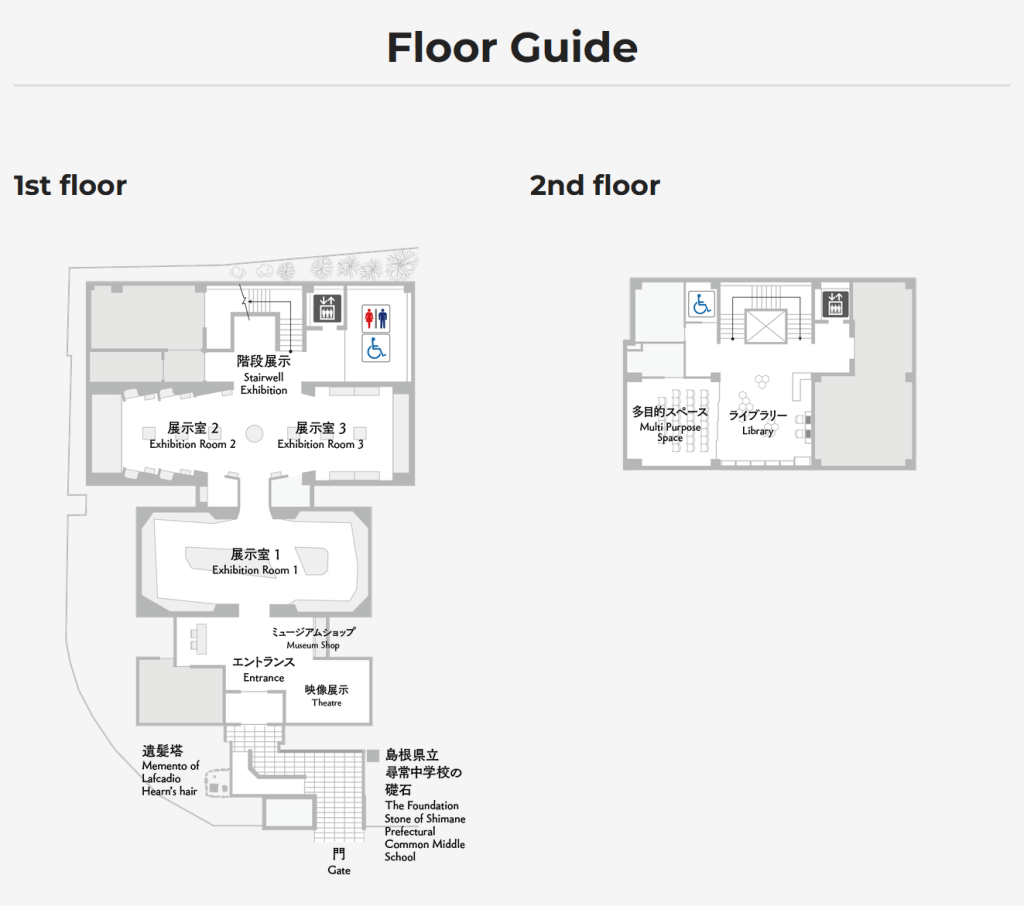
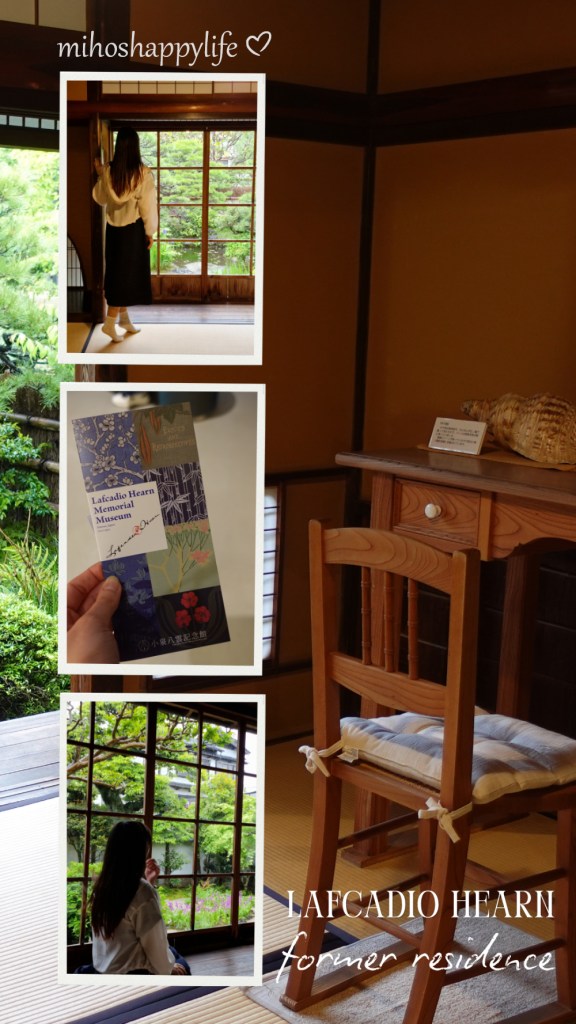
The museum tells his story through photographs, personal belongings, manuscripts and exhibits about his life in Japan. Unfortunately, photography wasn’t allowed inside, so I don’t have any pictures to share.
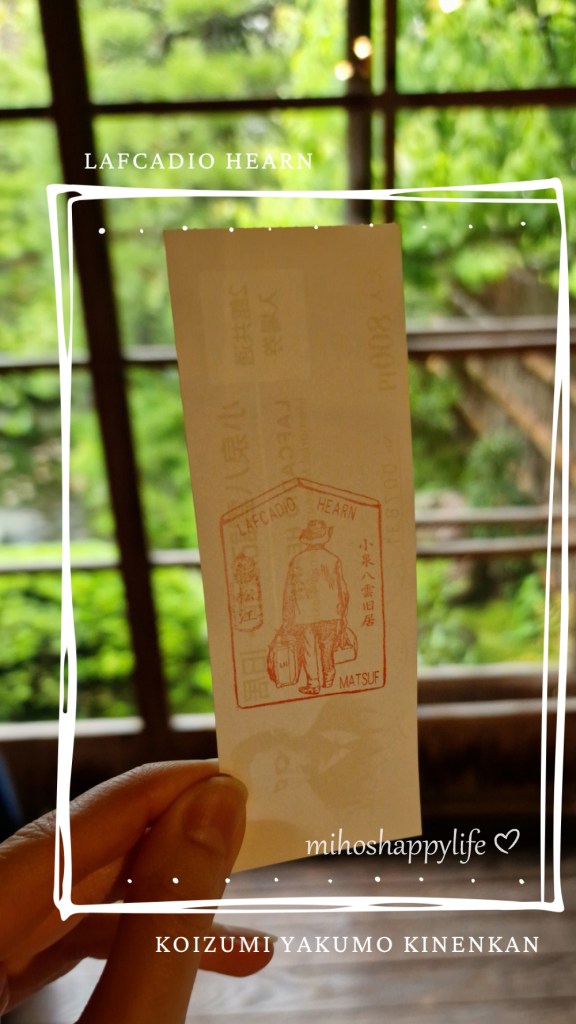
Right next to the museum, you can also visit Lafcadio Hearn’s former residence, where he lived during his time in Matsue.
Even though I mainly came because of my mum, I ended up learning a lot about someone I hadn’t known much about before. It was a really interesting visit and one I am glad I didn’t miss.
☆ Lafcadio Hearn Memorial Museum (Koizumi Yakumo Kinenkan)
322 Okudanicho, Matsue, Shimane 690-0872, Japan
Tel. +81 852-21-2147
hearn-museum-matsue.jp
Opening Hours
April – Sept: 09:00 – 18:00
Oct – March: 09:00 – 17:00
Entry Fee
Adults: ¥600 (¥800*)
Child: ¥300 (¥400*)
*incl. Lafcadio Hearn’s Former Residence
Last but not least, here are some food pictures! 🍓
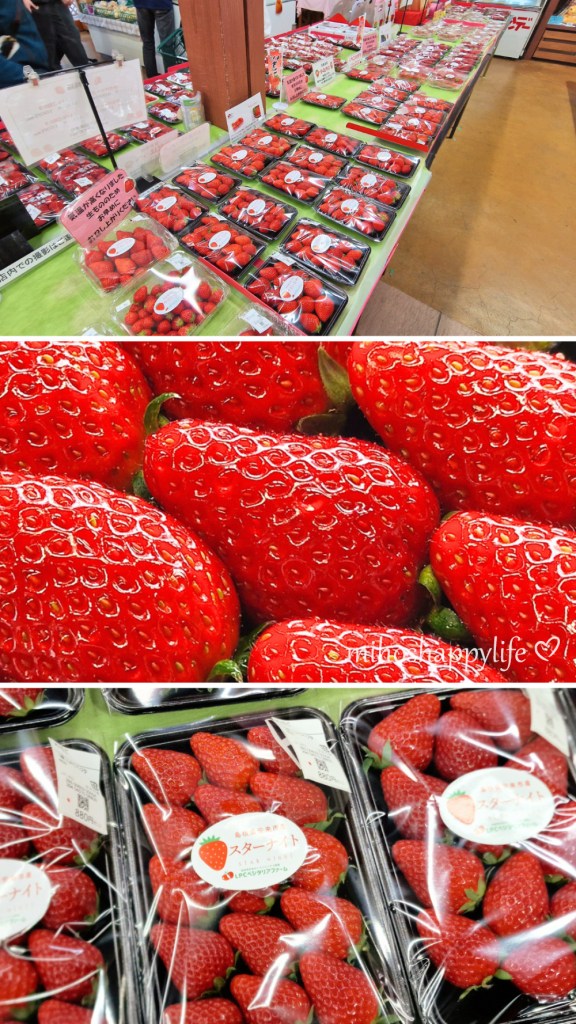
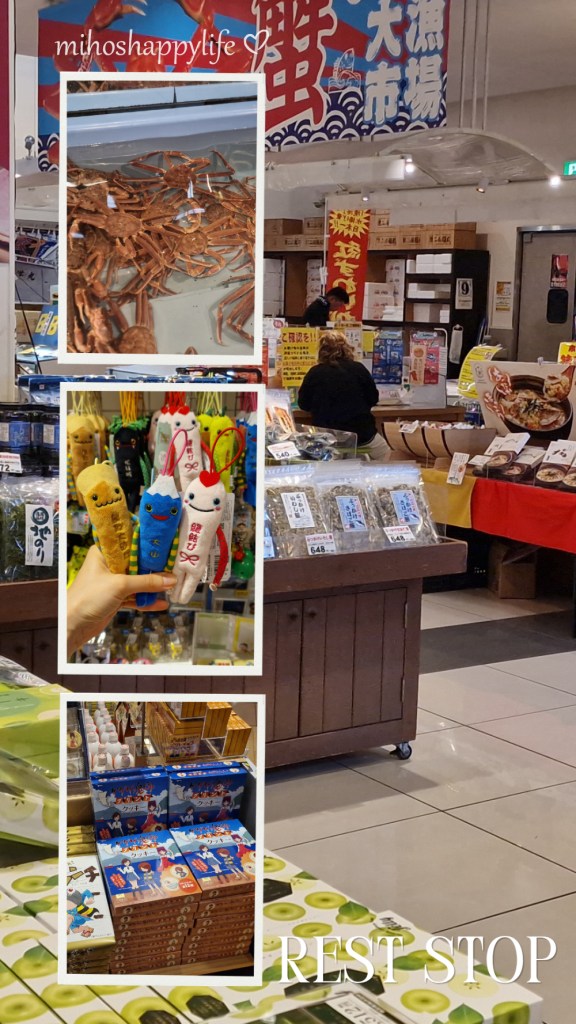
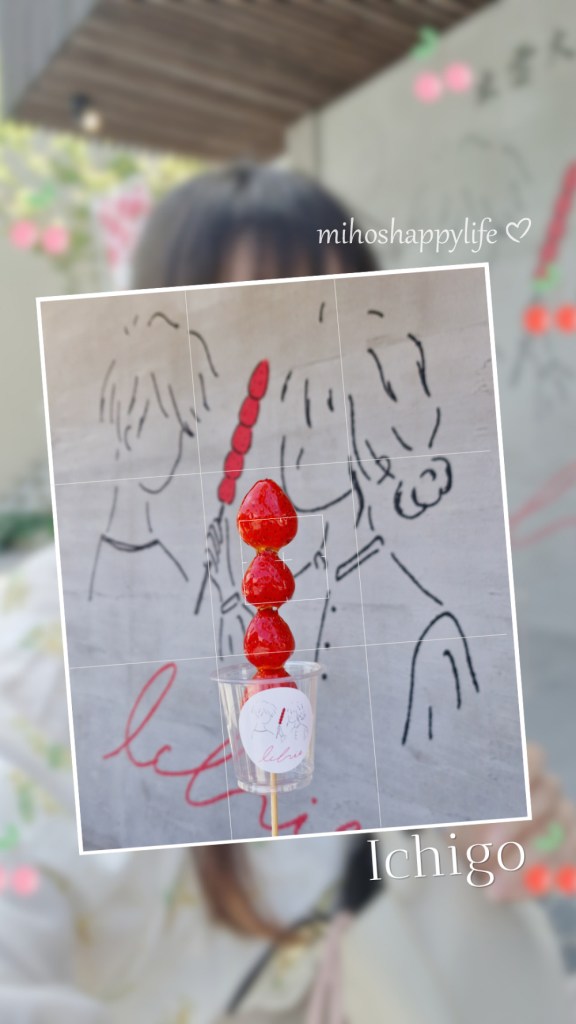
We stopped at a highway service area and I couldn’t believe how many different strawberry varieties they had. They all had such fancy names, and I honestly had no idea which one to choose. In the end, I picked the most expensive ones, haha! They were called Star Night, and they were so worth it! Every single strawberry looked perfect and tasted even better. I really hope I will get to eat them again someday.
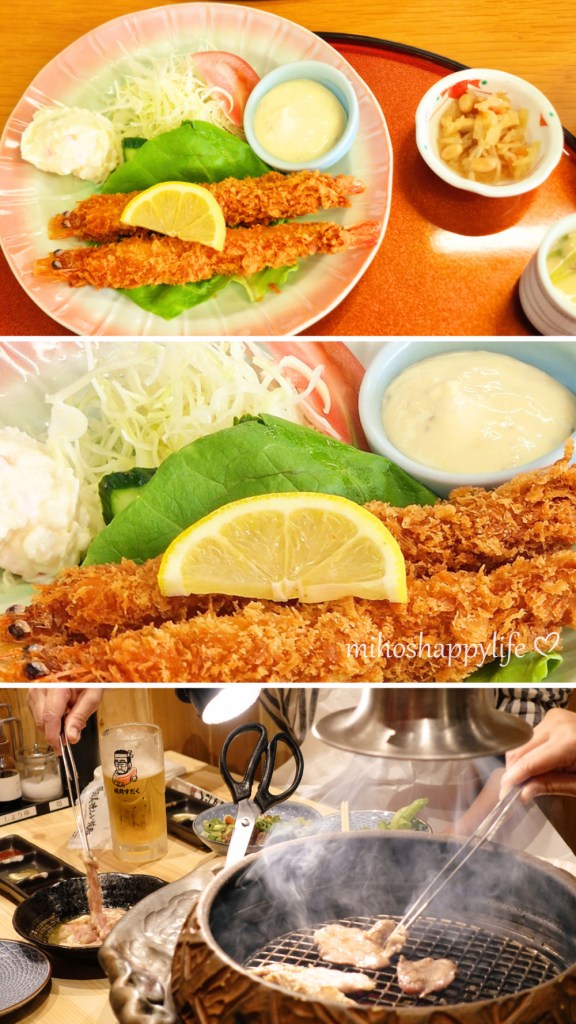
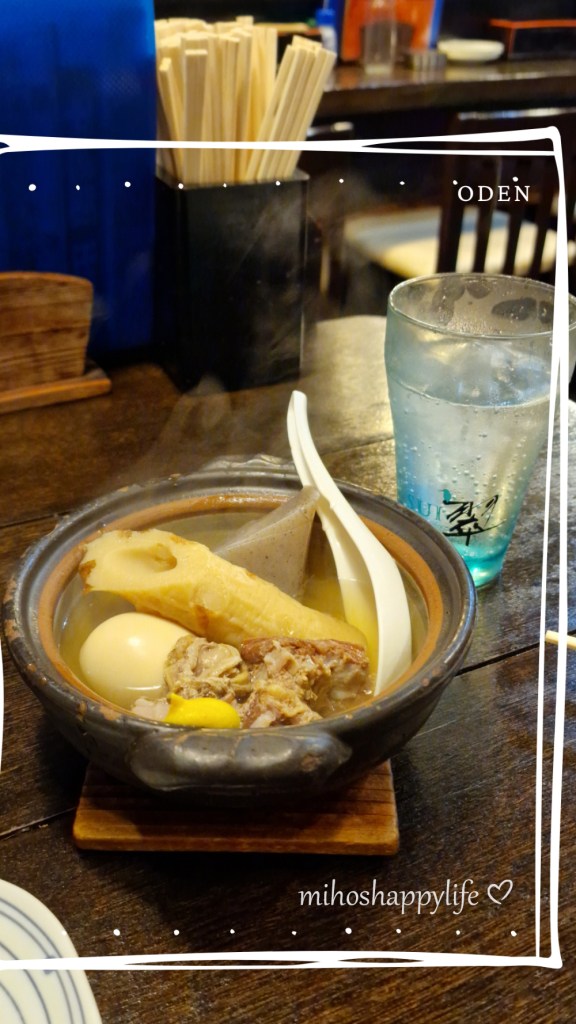
I also had Ebi Furai (deep-fried, panko-coated shrimp), which is one of my favorite dishes in Japan. It is such a simple meal, but it is always so good. To finish the day, we went for Japanese BBQ after we got back to Tottori. It was the perfect ending to a wonderful day.
Overall, I think Shimane is such a wonderful place to visit from Tottori. It has beautiful shrines, delicious food and so many lovely places to explore. Even a day is enough to get a taste of it, but staying a little longer gives you even more time to enjoy everything. I had such a great time and I definitely recommend adding it to your itinerary if you are ever in the area!